Lone Working
What is lone working? Who counts, what makes it riskier and how to keep people safe

Liam Jones

Founder of Pilla
Date Modified
22 November 2026


Date modified: 22nd November 2026 | This article has been written by Pilla Founder, Liam Jones, click to email Liam directly, he reads every email.
Lone working is any work done without a colleague close by to help. Here is who counts as a lone worker, what makes working alone riskier, which jobs shouldn't be done alone, and how a check-in system keeps people safe.
Article Content
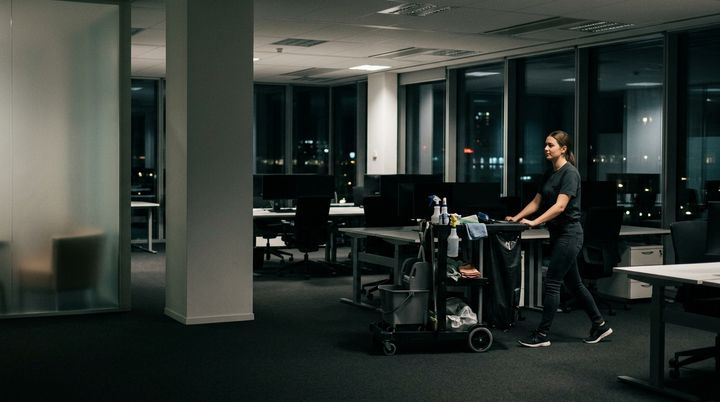
Lone working is any work done by someone on their own, without a colleague close enough to see or hear them and come to help. It isn't only for remote jobs. A barista opening up at 6am, a cleaner in an office after hours, a kitchen porter finishing the deep clean after everyone's gone, a delivery driver and a care worker on a home visit are all lone workers for that part of their shift.
Working alone isn't dangerous in itself. Plenty of work is perfectly safe to do alone. What changes is that if something goes wrong, there's nobody there to notice, help or raise the alarm. A slip that would mean a sore ankle with a colleague nearby can mean hours on a cold floor when you're alone.
Lone working at a glance
- A lone worker is anyone working without a colleague nearby, even for part of a shift.
- The main risk is delay. Help takes longer to arrive, or never comes, if nobody knows something's wrong.
- Some work shouldn't be done alone at all, such as tasks where one person can't get themselves out of trouble.
- Plan it with a risk assessment, looking at the person, the place and the task.
- Use a check-in system with set times and a clear plan for a missed check-in.
- Train people in what to do, when to stop and how to call for help.
What it is, and why it matters
Lone working covers more people than most businesses think. A quick way to find yours is to ask, for each role: is there any time when this person is working where nobody else from the team can see or hear them?
| Who | When they're alone |
|---|---|
| Opening and closing staff | Unlocking, cashing up, locking up |
| Cleaners | Early mornings, evenings, empty buildings |
| Kitchen and bar staff | Deep cleans, cellar work, late finishes |
| Shop staff | Quiet shifts in a small shop |
| Drivers | On the road and at drop-offs |
| Maintenance staff | Plant rooms, roofs, out-of-hours call-outs |
| Mobile workers | Home visits, site visits, security patrols |
| Home workers | Their whole working day |
What makes it riskier
The same task can be fine for one person and not for another, or fine at noon and not at midnight. Look at:
- The task. Does it involve height, heavy lifting, hot oil, chemicals, machinery, cash or confined spaces?
- The place. Is it remote, poorly lit or hard to get out of? Does phone signal reach it? Is it open to the public?
- The person. Are they new or young? Do they have a medical condition that could make them ill without warning?
- The time. Late nights and early mornings mean fewer people around and help further away.
- Violence. Handling cash, dealing with the public, or working where people may be drunk or angry all raise the risk.
A worked example
A takeaway has one person closing each night. They cash up, clean the fryers, take the bins out to a back alley and lock up around midnight. The manager walks through the lone working risk assessment and finds three problems. Cashing up happens with the front door unlocked. The fryer clean involves hot oil with nobody to help if it spills. And the bins go out to an unlit alley.
The changes are simple. The door is locked before cashing up. The fryers are drained and cooled before the closer starts, so the clean is done cold. A light goes over the back door. And the closer sends a "locked up and leaving" check-in from the lone worker check-in workflow. If it doesn't arrive by half past midnight, the manager calls them.
How it works in practice
Step 1: Find who works alone
List each role and the times they're alone. Include part-time staff, cover shifts and people who stay late to finish off.
Step 2: Assess the risk
For each lone worker, think about the task, the place, the person and the time, as above. Ask the people who do the work. They'll know the unlit car park, the stockroom with no signal and the customer who causes trouble on Fridays.
Step 3: Decide what shouldn't be done alone
Some work needs two people, because one person on their own couldn't get out of trouble or get help in time. Common examples:
- Work at height on ladders or steps above a short height
- Entering a confined space, such as a tank or a small cellar with gas
- Cleaning or moving large amounts of hot oil
- Using dangerous machinery where someone could get trapped
- Handling large amounts of cash at the door or the bank
- Any task your risk assessment says needs a second person
Write these down, and make sure the rota makes it possible to follow them.
Step 4: Set up a check-in system
A check-in system makes sure that if a lone worker stops responding, someone finds out quickly. Keep it simple:
| Part | What to decide |
|---|---|
| When | At the start, at set times during the shift, and when they leave |
| How | A phone check-in, a call or a button on a device |
| Who watches | A named person, with a back-up |
| What counts as missed | A set time after the check-in was due, such as 15 minutes |
| What happens next | Call the worker, then a colleague nearby, then go to site or call the emergency services |
Write the escalation steps down and test them. A check-in system nobody answers is worse than none, because it gives false comfort.
Step 5: Train and equip
Lone workers need to know the hazards of the job, the tasks they mustn't do alone, how the check-in works and what to do in an emergency. Give them a charged phone or alarm, a first aid kit and a way to call for help that works where they are. Our lone working training covers this.
Step 6: Review
Look at the check-in records. Are check-ins being missed? Is the follow-up happening? Review the risk assessment when something changes: a new site, a new task, a new starter, or after any incident or near miss.
Common mistakes and myths
| What people say | What's actually true |
|---|---|
| "We don't have lone workers" | Anyone opening, closing or cleaning alone is one, even for an hour |
| "They've got a phone, so they're fine" | A phone only helps if they can use it. A fall or a faint can stop that |
| "Lone working is banned" | Most lone working is fine with the right planning. Some tasks shouldn't be done alone |
| "The check-in is there, so we're covered" | Only if someone is watching and acts when a check-in is missed |
| "Experienced staff don't need checking on" | Accidents and illness don't care about experience |
| "Home workers aren't our problem" | Their work is still your work, and they're alone all day |
Rules where you are
What employers must do for people who work alone differs by country, and some places have rules for particular jobs. These regulators keep their own pages up to date, so check yours:
- Great Britain: the Health and Safety Executive, protect those working alone
- Northern Ireland: HSENI, lone working
- Ireland: the Health and Safety Authority, lone workers
- United States: OSHA, workplace violence, plus your state's workplace safety rules
- Canada: the Canadian Centre for Occupational Health and Safety, working alone, plus your province's workplace safety regulator
- Australia: Safe Work Australia, remote and isolated work
- New Zealand: WorkSafe, the primary duty of care
FAQ
What counts as lone working?
Any work done without a colleague close enough to see or hear you and help. That includes opening and closing alone, cleaning after hours, driving, home visits and working from home.
How long can someone work alone?
There's no single limit. It depends on the task, the place and the person. The higher the risk, the more often someone should check in, and some tasks shouldn't be done alone at all.
What jobs should not be done alone?
Work where one person couldn't get themselves out of trouble or call for help in time. Common examples are work at height, confined spaces, handling hot oil, dangerous machinery and carrying large amounts of cash.
What is a lone worker check-in?
A set routine where the lone worker confirms they're safe at agreed times, such as at the start, during and at the end of a shift. If a check-in is missed, a named person follows a written plan to find out why.
Can staff refuse to work alone?
If someone believes a task is unsafe to do alone, they should raise it straight away and not do it until it's looked at. A good lone working plan gives them a clear way to do that without blame.